Moving Plants and Nursery Supplies Across Jaipur: A Practical Protection Guide
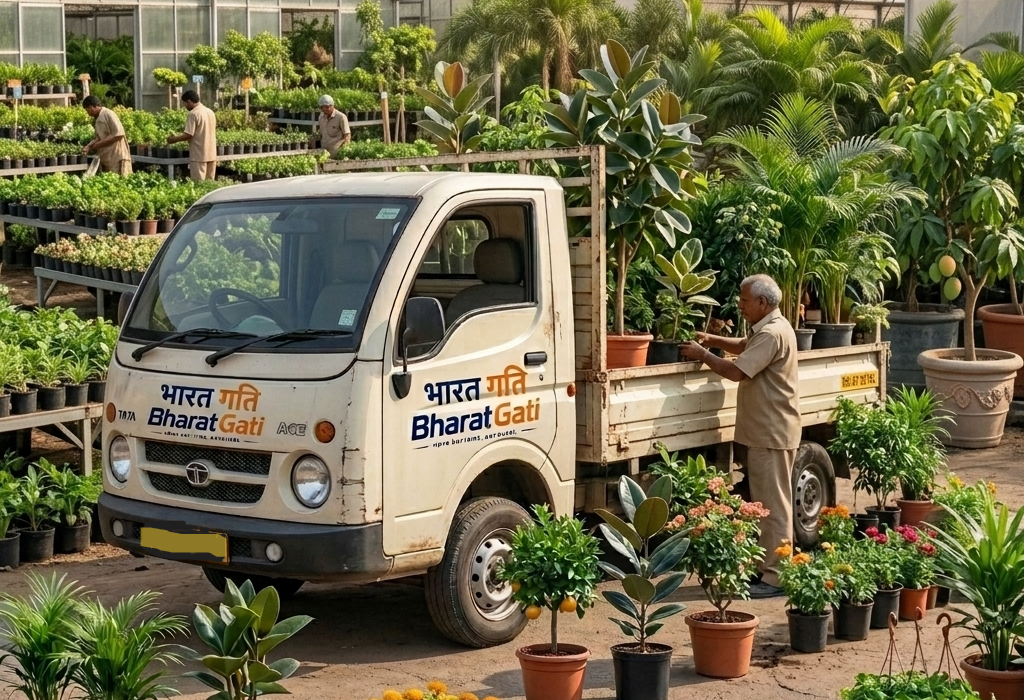
Moving greenery is not the same as moving boxes. A potted areca palm can tip even when its pot is intact; a tray of saplings can dry out quickly in the wrong conditions; and one loose soil bag can leave a vehicle floor dusty, slippery and difficult to unload. Whether you are shifting balcony plants from Mansarovar to Vaishali Nagar, sending planters to a client in Malviya Nagar, or replenishing a nursery order across Jaipur, the result depends far more on preparation and loading order than on simply finding a ride.
A safe Jaipur goods delivery plan starts by separating fragile living plants from heavy gardening materials, choosing a suitable local transport and delivery vehicle, and giving the pickup and receiving teams a clear handover routine. This guide covers the practical decisions that protect pots, soil and foliage in transit.
Quick answer: Water plants lightly in advance, secure loose soil and pot surfaces, group plants by height and fragility, load heavy sealed supplies low and separately, keep plants upright with space around foliage, and inspect every item at handover. For larger or mixed nursery consignments, select the vehicle through the app based on the shipment rather than trying to make everything fit into one unsuitable trip.
Start with an honest inventory of what is moving
Before booking, list the shipment in groups. “Plants and nursery material” is too broad to plan properly. A few compact indoor plants in sturdy pots require a different approach from tall outdoor planters, bags of potting mix, ceramic containers and seedling trays.
Count the items, note the tallest plant, identify the heaviest pots, and flag anything that cannot be stacked or tilted. This gives you a practical basis for selecting a vehicle and deciding whether a single trip is sensible.
Sort the shipment into handling groups
| Item group | Main transit risk | Practical preparation | Loading priority |
|---|---|---|---|
| Small potted plants | Tipping, snapped leaves, spilled soil | Cover the pot surface and group in low crates or cartons | After a stable base is created |
| Tall or leafy plants | Bent stems and crushed foliage | Tie foliage loosely where appropriate; protect branches from contact | Upright, with clear space around the canopy |
| Saplings and seedling trays | Drying, bruising and tray movement | Lightly moisten, stabilize trays and avoid stacking | Accessible and protected from shifting goods |
| Soil, compost and cocopeat bags | Tears, dust and weight shifting | Check seals; place damaged bags inside a secondary liner or container | Low, flat and separate from foliage |
| Planters, tools and accessories | Chips, scratches and loose parts | Wrap fragile planters; bundle tools safely | Alongside compatible items, not on plants |
Take a few clear photos before pickup, especially of ceramic planters, established plants with delicate branches, and any items a customer expects in a particular condition. The photos are useful for your own packing check and for a quick handover comparison later.
Prepare pots, soil and greenery before pickup arrives
Most preventable damage begins before loading. Do not water every plant heavily just before transport. Saturated soil adds weight, leaks from drainage holes and makes pots less stable. Instead, water as the plant needs ahead of time so the root ball is neither bone-dry nor dripping at collection.
Secure the pot surface without suffocating the plant
For pots with loose soil, place a breathable cover such as paper, cloth or a fitted piece of cardboard over the soil surface, with a small opening around the stem. The goal is to reduce spills, not to seal the plant completely. Avoid wrapping foliage tightly in plastic for a prolonged period, particularly in Jaipur’s warmer parts of the day.
For lightweight plastic pots, place several similar-sized pots inside a sturdy crate, carton or low-sided container. Fill gaps with crumpled paper, reusable cloth or other soft packing material so that pots do not knock together. Keep each pot upright. If a pot has a saucer, remove it and pack it separately unless it can be secured firmly.
Protect vulnerable foliage and branches
Gently gather long, trailing or wide foliage inward using soft ties or strips of cloth. Do not pull stems tight or bend them sharply. For taller plants, a simple protective sleeve of paper or breathable fabric around the outer foliage can prevent rubbing against nearby items. Label the top of the container if there is any chance it may be handled by someone unfamiliar with the shipment.
Choose the right vehicle for the actual consignment
Vehicle selection should follow the shape, weight and fragility of the load—not just the number of pieces. A few compact, well-secured gardening items may need a very different arrangement from a mixed nursery order containing tall plants, planters and sealed soil bags.
For Jaipur goods delivery, BharatGati offers options from two-wheelers to Tata Ace vehicles. Use the app to select according to the shipment needs. A two-wheeler may suit a very small, stable parcel of gardening supplies, while a larger, mixed or upright plant consignment calls for more room and a layout that lets items remain level. If you are uncertain, avoid compressing plants and heavy bags into a smaller option simply to reduce the apparent size of the booking.
Think about the receiving location too. A nursery delivery to a ground-floor shop near Ajmer Road is handled differently from a plant handover at an apartment in Jagatpura, where you may need to coordinate the gate, lift access and the recipient’s availability. The journey does not end when the vehicle reaches the address.
Use a loading order that keeps weight away from greenery
Loading is where a careful plan becomes real. The central rule is simple: heavy, sealed and stable items form the base; living plants stay upright, protected and free from pressure. Soil bags, planters and tools must never be allowed to slide into foliage during turns or stops.
- Clear and dry the loading area. Remove loose debris, standing water and sharp objects that could tear a soil bag or scratch a planter.
- Place sealed soil and compost bags first. Keep them low, flat and arranged so they cannot roll or shift. Do not use them as a platform for fragile pots.
- Set down robust, heavier planters next. Keep them upright and separate them from delicate ceramics or leafy plants with padding.
- Position crates and boxes of smaller plants. Pack them closely enough that individual pots cannot tip, but do not crush leaves between containers.
- Load tall plants upright last. Give foliage breathing room and make sure no hard edge, tool or bag is resting against stems.
- Perform a movement check. Before departure, gently assess whether containers can shift. Reposition or add padding where needed rather than hoping the load will settle.
Nursery owners handling repeat orders can standardize this workflow. Keep reusable crates, soft ties, packing paper and labels ready near the dispatch area. It saves time and produces more consistent plant handling during busy periods.
Book and coordinate a smoother Jaipur delivery
Clear instructions make local plant transport easier for everyone involved. Book through the BharatGati mobile app, enter the pickup and delivery details carefully, choose the vehicle option that matches the load, and review the fare shown before confirming. Real-time GPS tracking helps you follow the trip, while OTP verification at pickup and delivery gives both parties a defined handover point.
Share the details that matter
- State that the shipment contains live plants, loose-foliage items, planters or soil bags.
- Specify the number of tall plants or delicate trays, rather than only saying “nursery material.”
- Provide an accurate pickup point: shop frontage, nursery gate, apartment block or lane entrance.
- Tell the receiver when to be present and ask them to keep a clear space ready for unloading.
- Flag access considerations such as a narrow internal lane, basement entry or a building gate that requires coordination.
- Keep the pickup and delivery OTPs ready, but share them only at the appropriate handover stage.
Timing matters. In Jaipur, avoid leaving plants waiting in direct sun while you finish packing or while the recipient arranges access. Prepare the load before the vehicle arrives and aim for a handover without unnecessary roadside waiting. If the recipient is a landscaper, café, office or residential customer, confirm who will physically receive the plants—not merely the address.
Make the handover as careful as the loading
At delivery, unload tall and delicate plants before moving smaller stable cartons, unless the layout requires another safe sequence. Keep soil bags and tools away from the final plant staging area. A rushed recipient may pull a tall plant by its stem or lift a pot by the rim, so a brief instruction helps: lift from the pot base, keep it upright, and place it in shade or its intended location promptly.
Compare fragile planters and key plants with the pre-pickup photos. Check for cracked pots, soil spills, bent branches and shifted labels. For business deliveries, match the number of trays, planters and supply bags against the order before completing handover. Once the delivery is completed, the GST-compliant invoice is available for your records—particularly useful when nursery supplies are part of regular business purchases.
Common mistakes to avoid
- Watering heavily immediately before transport: This increases leakage, weight and the chance of soil displacement.
- Stacking pots on soil bags: A soft or shifting bag is not a stable base for a planter.
- Using one oversized box for unrelated items: Tools, ceramic pots and plants can collide inside a loosely packed carton.
- Forcing tall plants to lie flat: This can bend foliage, spill soil and complicate unloading.
- Ignoring the last 50 metres: An accurate address is not enough if the receiver is absent or access has not been arranged.
- Skipping a load check: A minute spent checking for movement before departure can prevent a messy arrival.
- Choosing solely by price: A mini truck booking in Jaipur or another suitable vehicle choice should reflect the load’s dimensions, fragility and need to stay upright.
Frequently asked questions
Should I water potted plants before a local Jaipur delivery?
Water according to the plant’s needs in advance, but avoid soaking pots just before pickup. Soil that is lightly moist is generally easier to keep in place than soil that is either dusty-dry or dripping wet.
Can soil bags and potted plants travel in the same booking?
Yes, when they are packed and loaded separately. Keep sealed soil or compost bags low and stable, then protect plants from contact, pressure and shifting weight. If the combined shipment is large or mixed, choose a vehicle arrangement that leaves room to keep pots upright.
What should a nursery owner tell the delivery partner at pickup?
Identify live plants, fragile planters, tall items, seedling trays and any bags that need to stay level. Also share the pickup and delivery access details so the handover is planned rather than improvised.
How can I arrange plant transport within Jaipur?
Prepare and group the shipment first, then book a suitable vehicle through the BharatGati app, where you can see the fare before confirmation and track the trip in real time. Use OTP verification at pickup and delivery, and make sure the receiver is ready to inspect and accept the plants when they arrive.